Stretch, Breathe, Repeat: Energizing Micro-Breaks at Your Desk

Today we dive into Desk and Chair Yoga Micro-Breaks for Office Workers—simple, discreet movements you can do without leaving your seat. Learn how tiny bursts of mobility, breath, and posture resets can relieve stiffness, sharpen focus, and recharge energy between tasks, meetings, and deadlines. Start where you are, in office attire, with friendly guidance, realistic timing, and zero equipment. Try a few now, favorite your go‑tos, and share what helps you feel balanced and productive.

Why Micro‑Breaks Matter

Your body is built for movement, not marathon sitting. Micro‑breaks interrupt strain before it becomes pain, reduce cumulative load on the neck, wrists, and lower back, and restore circulation to tired tissues. Short movement snacks also refresh attention, lifting accuracy and creativity when it matters most. Studies show brief breaks improve mood and reduce discomfort across the workday. Let’s turn minutes you already have—loading screens, call buffers, email sending—into preventive care that supports health, performance, and sustainable motivation.

The 30‑3 Rhythm

Adopt a simple cadence: every thirty minutes, invest three purposeful minutes in movement, breath, or a posture reset. Set a subtle chime, then rotate through neck, spine, hip, and wrist patterns. Three minutes is short enough to keep momentum, yet long enough to meaningfully shift blood flow, joint lubrication, and mental clarity. If thirty minutes feels frequent, start with forty‑five and build consistency. Track discomfort over a week, notice patterns, and celebrate even imperfect streaks—it’s progress, not punishment.

Stress Reset in Ninety Seconds

When pressure spikes, choose a ninety‑second reset combining slow exhale breathing and small shoulder rolls. Inhale softly through the nose, then lengthen exhalation to double, letting the ribcage descend. Keep eyes on the screen if needed, relaxing the jaw. Layer tiny scapular circles and gentle neck glides. This sequence downshifts the nervous system, untangles frown tension, and creates space to respond rather than react. Use during status updates, after urgent emails, or before deliverables cross the finish line.

From Slump to Support

Trade the end‑of‑day slump for supported alignment by stacking ears over shoulders and ribs over hips, then rooting feet. Slide slightly forward on the chair, hinge at the hips, and lengthen the spine without rigidity. Imagine the crown gliding upward while the tailbone anchors. This reduces compressive load on lumbar discs and frees the diaphragm to breathe deeper. Micro‑checks like this during transitions—new tab, new call, new paragraph—compound into fewer aches and clearer thinking by evening.

Chair‑Friendly Sequences You Can Do in Blazers

Office attire should never be a barrier to feeling better. These chair‑friendly sequences prioritize subtle mechanics, small ranges, and breathable pacing that respects fabrics and formality. You’ll mobilize the spine, open hard‑working wrists and hips, and ease neck and shoulder knots without drawing stares. Each pattern is modifiable for tight skirts, slim suits, or shared workspaces. Keep movements pain‑free, explore smooth arcs instead of jerks, and pair everything with patient breathing. Comfort increases, focus returns, and your posture thanks you.

Desk Moves That Don’t Look Awkward

Subtlety is an office superpower. These moves blend into normal behaviors, helping you care for your body without interrupting collaboration or inviting curious glances. You’ll use tiny ranges, intention, and breath, while hiding effort in everyday gestures like reading, typing, or listening. The goal is ease, not theatrics. Over days, discomfort fades, reaction time improves, and end‑of‑week energy steadies. Cross‑functional success thrives when your body feels genuinely supported, even during packed calendars and sprawling projects.

Seated Cat‑Cow, Discreet Edition

Hands remain on the keyboard or notebook while the pelvis and ribs glide minutely. Imagine a wave traveling from tail to crown during inhalation, then reverse during exhalation, keeping small enough that colleagues barely notice. The diaphragm and deep spinal muscles respond quickly, releasing stiffness without drama. Sprinkle five cycles between paragraphs. If clothing restricts, reduce range further, focusing on smooth breathing and the sensation of vertebrae making friendly space for nerves and connective tissue.

Invisible Hamstring Reset

Slide one heel forward under the desk, flex the ankle, and gently hinge at the hips until you feel a pleasant back‑of‑thigh stretch, keeping your spine long. Hold three slow breaths, then point and flex the ankle to floss the sciatic pathway. Switch legs. This refresh restores circulation after long sits, softens lower‑back pull, and makes standing later feel effortless. Keep it subtle; even in a meeting, no one needs to know you’re restoring length and glide.

Wall‑Less Chest Opener

Without leaving the chair, interlace fingers behind the back or hold the seat’s rear edge. Inhale to lift the collarbones while keeping ribs gently down; exhale to draw shoulder blades together and slightly downward. Imagine widening the front of the shoulders as the upper back broadens. Two rounds release hunching, counteracting phone posture. Keep the neck long and jaw free. If shoulders resist, shorten the grip, or simply visualize the motion while breathing—neural rehearsal still helps.

Breathwork Between Emails
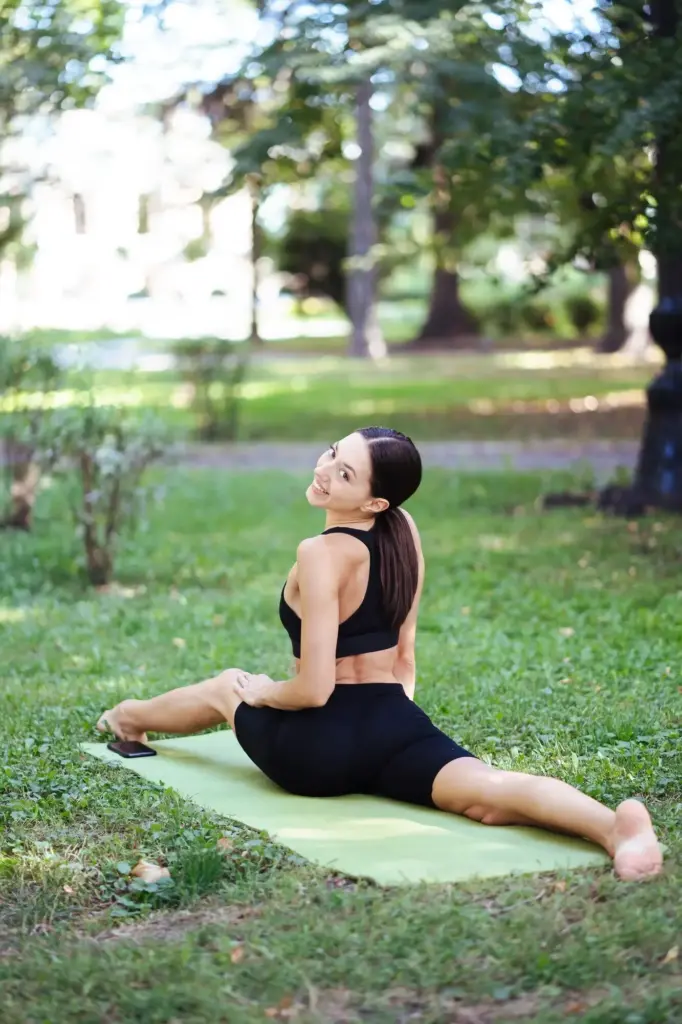
Breathing patterns steer physiology and mindset more quickly than most realize. Training longer, softer exhales shifts the nervous system toward rest‑and‑digest, easing tension and steadier focus. These brief practices fit neatly between messages, uploads, or agenda changes. They require no props and little space, yet their effects compound beautifully across the day. Pair them with your favorite desk movements for a complete reset you can repeat often, especially when deadlines creep closer and patience feels thin.

Set Up Your Space for Movement

Ergonomics make every micro‑break more effective. Small adjustments to chair height, desk depth, and screen placement create instant relief and safer mechanics for your neck, shoulders, wrists, and hips. Think of your workstation as living equipment that adapts with you. When alignment supports breath and circulation, exercises feel lighter and recovery lasts longer. Tweak one variable per day, keep notes, and share discoveries with teammates so everyone benefits from comfortable, confident movement woven into daily workflows.
Adjust seat height so hips sit slightly above knees, feet planted. Slide hips back to use lumbar support without slumping; if the chair is deep, add a small cushion or folded sweater. Maintain two to three fingers of space behind knees to preserve circulation. Armrests should allow shoulders to relax without shrugging. These tweaks distribute load, reduce numbness, and encourage natural curves. Reassess weekly as shoes, clothing, or workload shifts subtly change your posture and comfort needs.
Place the keyboard close enough that elbows hover near ninety degrees, wrists neutral, shoulders wide. Align the monitor so the top third sits at eye level, about an arm’s length away, preventing neck crane and squinting. Use a laptop stand or stacked books if needed. Keep frequently used items within a comfortable reach arc. Good alignment makes micro‑breaks restorative rather than compensatory, since you are no longer fighting awkward angles between resets. Small changes pay surprising long‑term dividends.

Make It a Habit the Team Loves

Behavior change sticks when it is easy, social, and rewarding. Build micro‑breaks into the natural rhythm of your day with prompts, shared rituals, and visible wins. Five consistent minutes, repeated, beats heroic sessions that fizzle. Invite teammates, normalize brief movement on camera, and celebrate small milestones like a week without afternoon neck tension. As momentum grows, ask leadership to support calendar buffers. Tell us what schedules or formats help you most, and we’ll create more resources together.
Pamupipitafo
Privacy Overview

This website uses cookies so that we can provide you with the best user experience possible. Cookie information is stored in your browser and performs functions such as recognising you when you return to our website and helping our team to understand which sections of the website you find most interesting and useful.